Country Rap in the United States
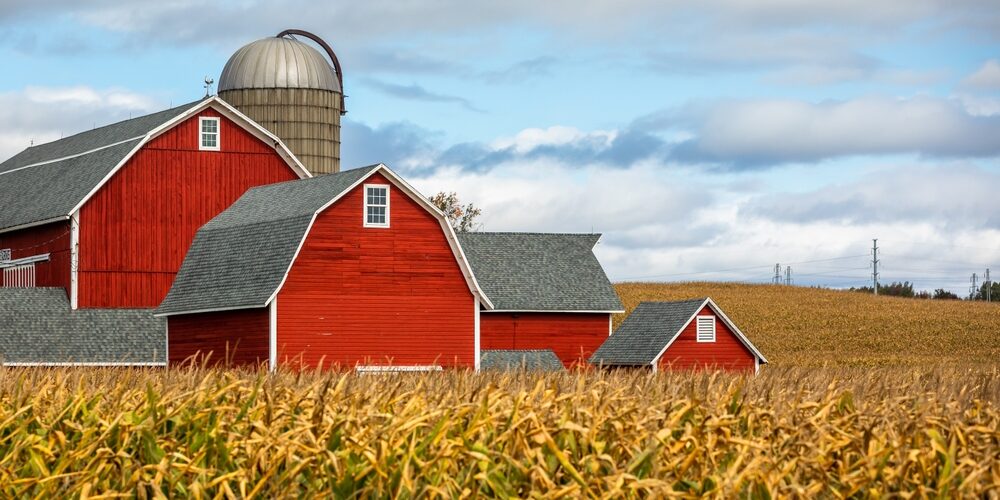
It’s a humid afternoon in rural Georgia. You drive past front porches draped in American flags and rusted-out mailboxes. The roads are mostly two-lane and every few miles there’s a bait shop or a country store with a Coke machine outside. The asphalt gives way to dirt and signal bars fade. Out here, cell service is spotty but stories run deep. The car rattles down a red clay backroad.
The signal on the FM radio begins to waver, and the playlists give way to something fuzzier. It might be The Lacs, a country rap duo, coming through the static. Here you find the unlikely crossroads of hip-hop and country—a genre-blending space where dirt roads meet digital beats. Once considered an outsider experiment and a regional curiosity, country rap has come around.
Bubba Sparxxx, from LaGrange, Georgia, was the first to really do it. A white rapper in Carhartt overalls and mud-splattered boots, he looked like he belonged behind the counter of a bait shop. His debut album, Dark Days, Bright Nights, produced by Timbaland, was a fusion of dirty South beats and rural storytelling.
He rapped about shuttered factories and his parents’ gas station. He rapped about being broke, about being overlooked, about being from nowhere. His music was a mash-up of Southern hip hop and swamp grit. Tracks like Ugly brought crunk to the countryside.
His second album, Deliverance, had him rhyming more about rural life. Timbaland laced it with samples from Yonder Mountain String Band and Area Code 615, blending banjos and fiddles with his signature syncopated beats. That duality—the collision of rap and rustic life—defined the early 2000s scene.
And then came the rural insurgents: The Lacs, Jawga Boyz, Moonshine Bandits and Lenny Cooper—artists who’ve bridged the gap between cowboy hats and fitted caps, between chewing tobacco and blunt smoke. It’s banjos and bass, dirt roads and 808s. These artists turned the fusion into a subculture all its own.
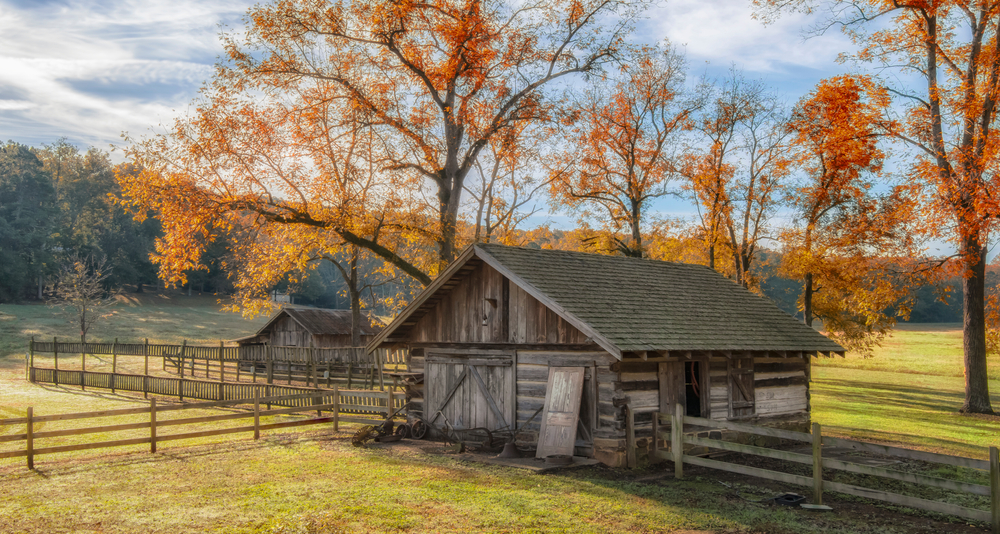
Drive east from Atlanta, past the subdivisions and Waffle Houses, and the landscape changes quickly. Pine forests stretch for miles. You pass faded billboards for local BBQ joints. You don’t find music venues here. You find feed stores and gas stations with neon beer signs. But step into the right bar on a Friday night, and you might catch a DJ spinning The Lacs
You drive down a backroad near Baxley, Georgia. This is where The Lacs—Clay Sharpe and Brian King—came up. They’ve been repping the rural South for nearly two decades. In 2001, they scraped together $2,500 to buy studio time. Half the time was spent recording their first self-titled album; the other half, mixing and mastering. They pressed 1,000 CDs, hustled them in parking lots and house parties.
Their DIY grind built a following when country kids and small-town misfits started turning up at shows. The Lacs were signed to Average Joes Entertainment, the indie label co-founded by country rapper Colt Ford. They honed their sound, blending country music and urban beat-making. Country Road, a standout track from the duo, plays like a tribute to rural America.
Then there’s Lenny Cooper, known for his song Mud Digger. His music is the dirt-road soundtrack of America’s rural youth. The music is often centered around truck culture and off-road life. He’s built a career on dirt roads, diesel trucks, and a hybrid of country and hip-hop. His track Duramax is about the diesel engine made by General Motors. The Duramax is a workhorse, a torque-heavy, turbocharged engine used in Chevy Silverados and GMC Sierras.
Lenny Cooper has a growing role on the Monster X Tour, where he’s not just a musical act but an arena headliner, merging the spectacle of monster trucks with the energy of his live performances.
In 2018 Lil Nas X was just another chronically online kid running meme accounts on social media. He was an Atlanta college dropout sleeping on his sister’s couch. One day, he paid $30 to lease a beat by a Dutch producer, a banjo loop from a Nine Inch Nails instrumental. He layered it with trap drums, and laid down a drawl-heavy vocal. He uploaded the song called Old Town Road to TikTok.
The first iteration of the song was raw, lo-fi, and barely two minutes long. With its unapologetically queer swagger, the song blurred so many boundaries it sparked a national conversation. Billboard pulled the track from its country charts, claiming it didn’t fit the genre. But the backlash was swift, and the song only grew stronger when Billy Ray Cyrus lent his twang to the remix. It was the longest-running number-one single in Billboard history.
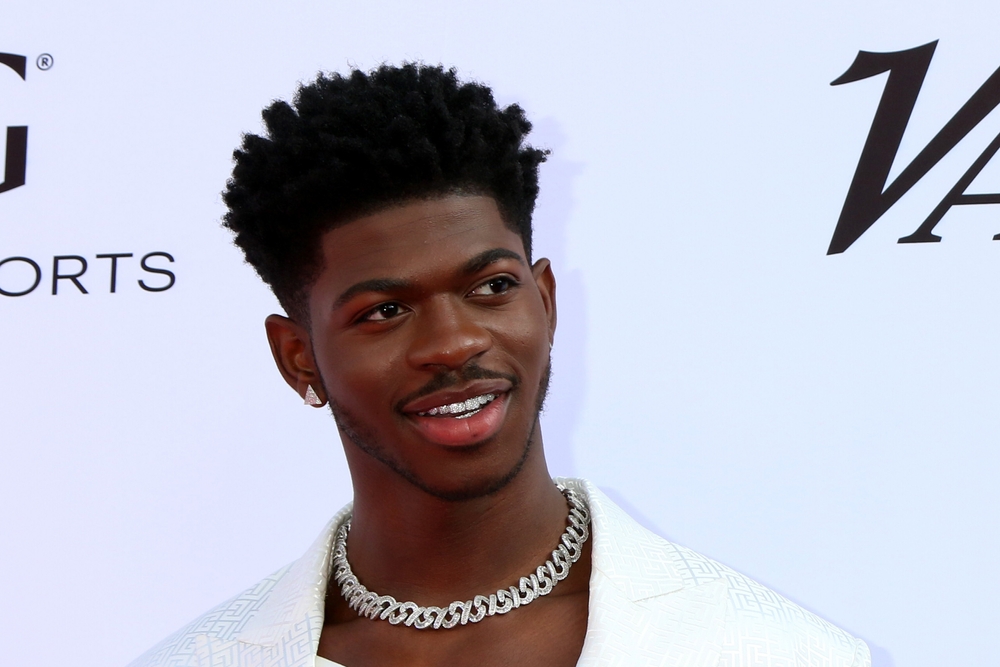
What made Lil Nas X’s rise so compelling was his lack of reverence for the traditional music industry playbook. This was a song about outcasts finding their lane, carving out space in a world that keeps trying to box them in. The Black cowboy isn’t a new phenomenon. History just buried him under Hollywood’s whitewashed myths. From the Buffalo Soldiers to rodeo legends like Bill Pickett, Black cowboys have always been there, driving cattle, shaping frontier culture.
Further west, in the farmlands of California’s Central Valley, the Moonshine Bandits bring a West Coast twang to their blend of country and rap. Their sound leans hard into outlaw country and biker-bar rock. Tex and Bird—Dusty Dahlgren and Brett Brooks—rap about moonshine stills, independence, and living off the grid. Their music is crafted for those whose idea of a party involves mud pits and moonshine. Tex’s great-grandfather bootlegged hooch out of a barber shop during Prohibition.
They’ve turned outlaw country rap into a lifestyle brand with trucker hats, whiskey collaborations, and a fanbase known as the ’Shiner Nation,’ They sell their own 99-proof Outlaw Moonshine. It’s a nod to their Prohibition-era ancestors, who once smuggled liquor in baby carriages through California towns. Today, their branding empire includes energy drinks, apparel, and collaborations with fellow artists like Colt Ford, Danny Boone, and The Lacs. They’ve played everywhere from smoke-hazed biker bars to mud-bogging festivals.
On a warm spring night in Georgia, the sound of subwoofers thumps through the pines. Jawga Boyz are playing on the stereo of a pickup truck. The band blends traditional hip-hop beats with rural storytelling, delivering lines about lifted trucks, tailgate parties, dirt tracks, and backwoods gatherings.
They bridge the cultural chasm between hip-hop swagger and country grit. Their music is designed for the speakers of ATVs and swamp buggies. It’s made for jacked-up trucks, tailgate anthems designed to rattle the subs in a mud-splattered F-150. With tracks like Ridin’ High, they didn’t just rap about country life—they lived it. Four-wheelers, beer coolers, and bonfire parties weren’t props; they were Tuesday nights.
In the early days, they blended traditional rap beats with banjos, harmonicas, and slide guitars, layering lyrics that celebrated small-town life. Their homemade videos weren’t high-budget productions. They were raw, shot in muddy fields, backyards, and hunting camps.
Jawga Boyz, like many of their peers, bypassed the traditional gatekeepers of the music industry and built a fanbase directly through DIY promotion. Their YouTube channel has racked up tens of millions of views. Their shows sell out across the Southeast. And they’ve done it all by leveraging social media, grassroots tours, and fan loyalty.